
Table of Contents
The Ford Crown Victoria is a full-size sedan that was produced from 1992 to 2011. It was a popular choice for law enforcement and taxi fleets, and it is still a popular choice for used car buyers today. One important part of the Crown Victoria's exhaust system is the catalytic converter. The catalytic converter helps to reduce emissions and improve fuel efficiency. If you're experiencing problems with your catalytic converter, it's important to have it checked out by a qualified mechanic.

Ford Crown Victoria Catalytic Converter: Everything You Need to Know
What is a Catalytic Converter?
A catalytic converter is a device that reduces the harmful emissions from a vehicle's exhaust. It does this by converting toxic pollutants, such as carbon monoxide and nitrogen oxides, into less harmful substances, such as carbon dioxide and water vapor.
Catalytic converters are made of a ceramic or metal honeycomb structure that is coated with a catalyst, typically platinum, rhodium, or palladium. The catalyst helps to speed up the chemical reactions that convert the pollutants into less harmful substances.
- Related post: Ford Crown Victoria's Environmental Impact
How Catalytic Converters Work
Catalytic converters work by using a chemical process called oxidation and reduction. Oxidation is the process of adding oxygen to a substance, while reduction is the process of removing oxygen from a substance.
In a catalytic converter, the catalyst helps to speed up the oxidation of carbon monoxide and nitrogen oxides. This converts the pollutants into less harmful substances, such as carbon dioxide and water vapor.
Pollutant | Harmful Effects | Converted to |
|---|---|---|
Carbon monoxide | Can cause headaches, dizziness, and even death | Carbon dioxide |
Nitrogen oxides | Can cause respiratory problems and smog | Water vapor |
- Related post: Ford Crown Victoria's Safety Features

What is a Catalytic Converter?
How Does a Catalytic Converter Work?
Catalytic converters work by using a chemical process called oxidation and reduction. Oxidation is the process of adding oxygen to a substance, while reduction is the process of removing oxygen from a substance.
In a catalytic converter, the catalyst helps to speed up the oxidation of carbon monoxide and nitrogen oxides. This converts the pollutants into less harmful substances, such as carbon dioxide and water vapor.
Pollutant | Harmful Effects | Converted to |
|---|---|---|
Carbon monoxide | Can cause headaches, dizziness, and even death | Carbon dioxide |
Nitrogen oxides | Can cause respiratory problems and smog | Water vapor |
- Related post: Ford Crown Victoria's Safety Features
How the Catalyst Works
The catalyst in a catalytic converter is typically made of platinum, rhodium, or palladium. These metals are very good at absorbing and releasing oxygen atoms.
When a pollutant molecule comes into contact with the catalyst, the catalyst absorbs an oxygen atom from the pollutant molecule. This causes the pollutant molecule to become oxidized, which means that it has lost an electron.
- Related post: Ford Crown Victoria's Sound System Upgrades
The Reduction Process
Once the pollutant molecule has been oxidized, it is then reduced by the catalyst. This means that the catalyst gives the pollutant molecule an electron, which causes the pollutant molecule to become less harmful.
The reduced pollutant molecule is then released from the catalytic converter and exits the vehicle's exhaust system.

How Does a Catalytic Converter Work?
Symptoms of a Bad Catalytic Converter
A bad catalytic converter can cause a number of problems for your car, including decreased performance, increased emissions, and even engine damage. If you're experiencing any of the following symptoms, it's important to have your catalytic converter checked by a qualified mechanic.
Decreased Performance
A bad catalytic converter can restrict the flow of exhaust gases, which can lead to decreased engine power and acceleration. You may also notice a decrease in fuel efficiency.
Increased Emissions
A bad catalytic converter can also cause an increase in emissions, including carbon monoxide, nitrogen oxides, and hydrocarbons. These pollutants can contribute to air pollution and smog.
Engine Damage
In severe cases, a bad catalytic converter can cause engine damage. This is because the increased exhaust gas temperatures can damage the engine's valves and pistons.
Symptom | Possible Cause |
|---|---|
Decreased engine power | Clogged catalytic converter |
Increased emissions | Damaged catalytic converter |
Engine damage | Severe catalytic converter failure |
- Related post: Ford Crown Victoria's Racing Heritage
Other Symptoms
In addition to the symptoms listed above, a bad catalytic converter can also cause a number of other problems, including:
- A rattling noise from the exhaust system
- A strong smell of sulfur from the exhaust
- A check engine light
If you're experiencing any of these symptoms, it's important to have your catalytic converter checked by a qualified mechanic as soon as possible.

Symptoms of a Bad Catalytic Converter
Ford Crown Victoria Catalytic Converter Replacement
If your Ford Crown Victoria's catalytic converter is damaged or failing, it will need to be replaced. This is a relatively complex repair that should be performed by a qualified mechanic.
The cost of replacing a catalytic converter on a Ford Crown Victoria will vary depending on the year, make, and model of your vehicle, as well as the location of the repair. However, you can expect to pay between $900 and $2,500 for the parts and labor.
Year | Make | Model | Cost |
|---|---|---|---|
2003 | Ford | Crown Victoria | $900-$1,200 |
2006 | Ford | Crown Victoria | $1,200-$1,500 |
2011 | Ford | Crown Victoria | $1,500-$2,500 |
If you are experiencing any of the symptoms of a bad catalytic converter, it is important to have your vehicle inspected by a qualified mechanic as soon as possible.
Related posts:
- Ford Crown Victoria vs. Mercury Grand Marquis: Battle of the Panthers
- Ford Crown Victoria: A Comprehensive Guide
Signs of a Bad Catalytic Converter
There are several signs that may indicate that your Ford Crown Victoria's catalytic converter is failing. These include:
- Decreased engine power
- Increased emissions
- Engine damage
- Rattling noise from the exhaust system
- Strong smell of sulfur from the exhaust
- Check engine light
If you are experiencing any of these symptoms, it is important to have your vehicle inspected by a qualified mechanic as soon as possible.
Related posts:
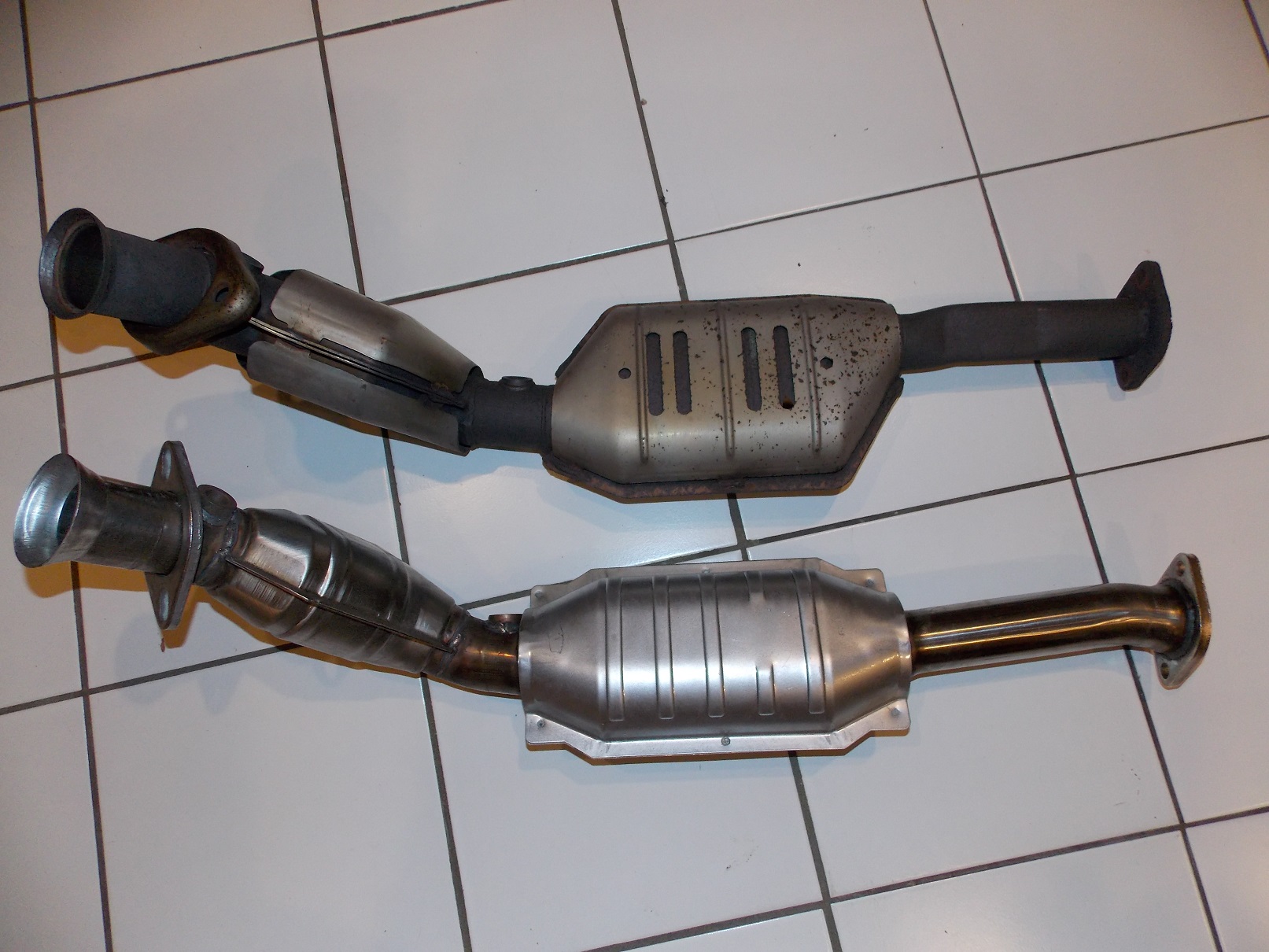
Ford Crown Victoria Catalytic Converter Replacement
Catalytic Converter Theft
A Growing Problem
Catalytic converter theft is a growing problem across the United States. Thieves target catalytic converters because they contain valuable metals, such as platinum, rhodium, and palladium. These metals can be sold for a profit, which is why catalytic converter theft has become so lucrative.
- Related post: Ford Crown Victoria's Environmental Impact
How to Protect Your Catalytic Converter
There are a few things you can do to protect your catalytic converter from theft. These include:
- Park in a well-lit area
- Install a catalytic converter anti-theft device
- Etch your VIN number on your catalytic converter
Measure | Effectiveness | Cost |
|---|---|---|
Park in a well-lit area | Moderate | Free |
Install a catalytic converter anti-theft device | High | $100-$500 |
Etch your VIN number on your catalytic converter | Moderate | Free |
What to Do If Your Catalytic Converter Is Stolen
If your catalytic converter is stolen, you should report it to the police immediately. You should also file a claim with your insurance company. Most insurance companies will cover the cost of replacing a stolen catalytic converter.
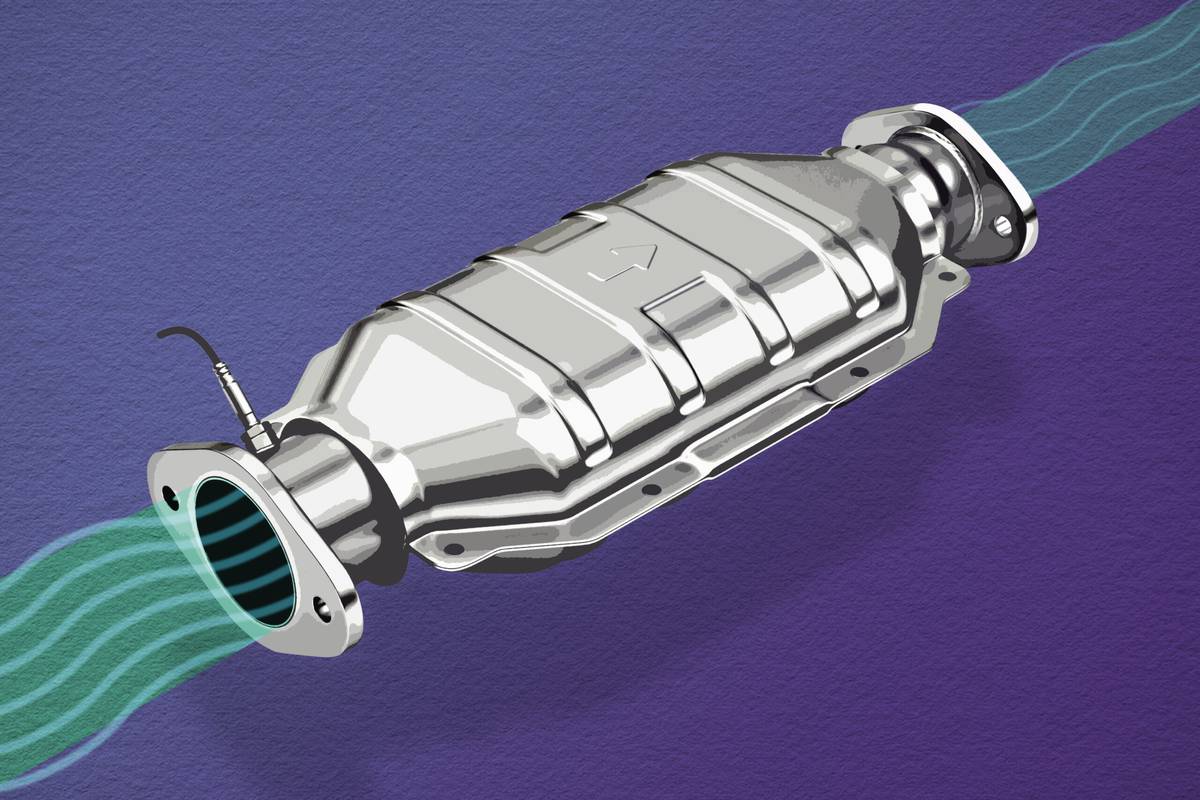
Catalytic Converter Theft
Frequently Asked Questions
What are the symptoms of a bad catalytic converter?
The symptoms of a bad catalytic converter can include decreased engine power, increased emissions, engine damage, a rattling noise from the exhaust system, a strong smell of sulfur from the exhaust, and a check engine light.
How much does it cost to replace a catalytic converter on a Ford Crown Victoria?
The cost of replacing a catalytic converter on a Ford Crown Victoria will vary depending on the year, make, and model of your vehicle, as well as the location of the repair. However, you can expect to pay between $900 and $2,500 for the parts and labor.
Year | Make | Model | Cost |
|---|---|---|---|
2003 | Ford | Crown Victoria | $900-$1,200 |
2006 | Ford | Crown Victoria | $1,200-$1,500 |
2011 | Ford | Crown Victoria | $1,500-$2,500 |
What are some ways to protect your catalytic converter from theft?
There are a few things you can do to protect your catalytic converter from theft. These include parking in a well-lit area, installing a catalytic converter anti-theft device, and etching your VIN number on your catalytic converter.
What should you do if your catalytic converter is stolen?
If your catalytic converter is stolen, you should report it to the police immediately. You should also file a claim with your insurance company. Most insurance companies will cover the cost of replacing a stolen catalytic converter.
- Ford Crown Victoria vs. Mercury Grand Marquis: Battle of the Panthers
- Ford Crown Victoria: A Comprehensive Guide

Frequently Asked Questions
Final Thought
The catalytic converter is an important part of your Ford Crown Victoria's exhaust system. It helps to reduce emissions and improve fuel efficiency. If you're experiencing problems with your catalytic converter, it's important to have it checked out by a qualified mechanic. Western Ford HCM can help you with all of your catalytic converter needs.